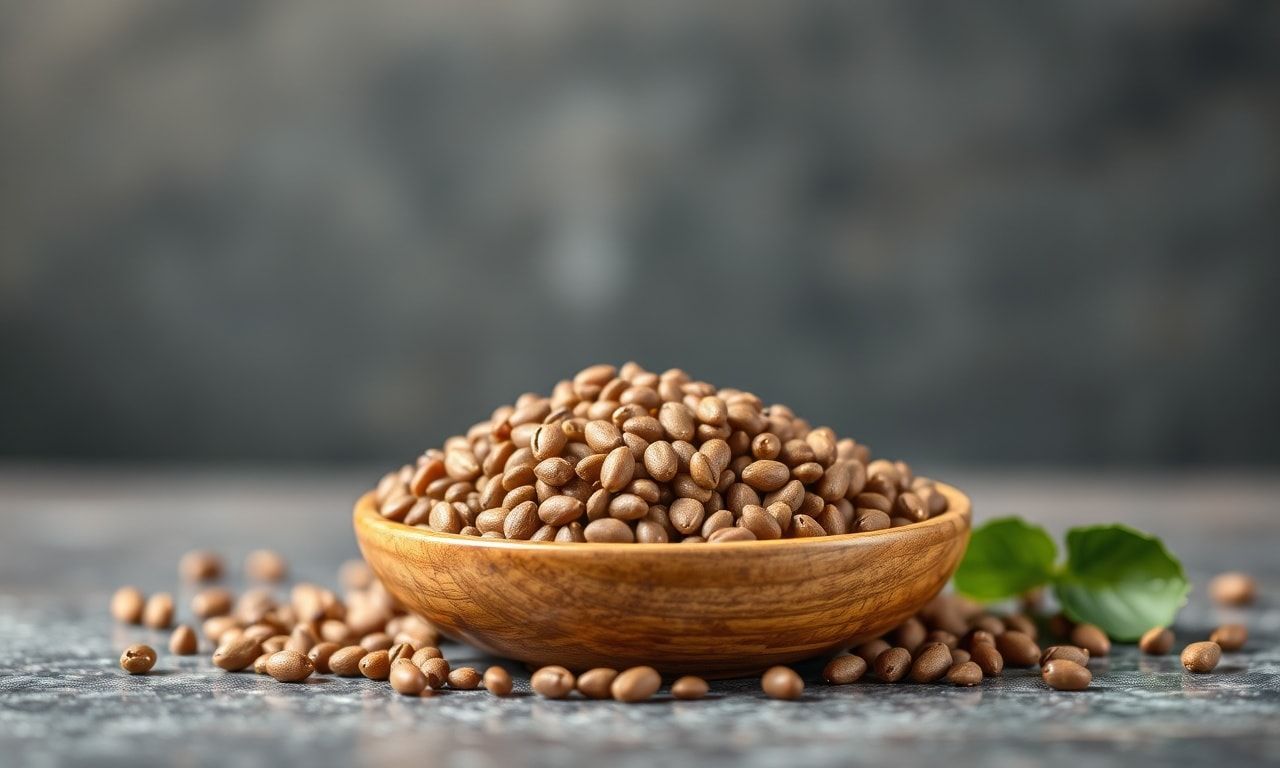
The Superfood Revolution
The global health and wellness movement has brought a surge in the popularity of superfoods. These nutrient-dense foods are celebrated for their health benefits and versatility. Among the most notable superfoods, chia seeds have emerged as a powerhouse, capturing the attention of health enthusiasts and nutritionists alike. Originating from the Salvia hispanica plant, native to central and southern Mexico, chia seeds have been a staple in the diets of ancient civilizations and are now a modern dietary phenomenon.
Chia seeds are renowned for their impressive nutritional profile. They are rich in omega-3 fatty acids, fiber, protein, and various essential minerals. This combination makes them a valuable addition to a balanced diet, contributing to heart health, digestion, and overall well-being. As more people become aware of the benefits of chia seeds, their integration into everyday meals continues to grow.
The Nutritional Powerhouse: What Makes Chia Seeds Special
Chia seeds are packed with nutrients that offer a range of health benefits. A single ounce (about 28 grams) of chia seeds contains approximately 138 calories, 12 grams of carbohydrates, 5 grams of protein, and 9 grams of fat, primarily consisting of healthy omega-3 fatty acids. They are also an excellent source of fiber, providing around 10 grams per ounce, which is about 40% of the recommended daily intake.
In addition to their macronutrient content, chia seeds are rich in essential minerals such as calcium, phosphorus, magnesium, and manganese. They also contain antioxidants, which help combat oxidative stress and inflammation in the body. The unique combination of these nutrients makes chia seeds a valuable addition to any diet, supporting various aspects of health and well-being.
Chia Seeds in Modern Cuisine
Chia seeds have become a staple in modern cuisine due to their versatility and nutritional benefits. They can be incorporated into a wide range of dishes, from smoothies and yogurt to baked goods and salads. One of the most popular ways to consume chia seeds is by making chia pudding, a simple and delicious dessert that requires minimal effort.
To make chia pudding, mix chia seeds with a liquid such as almond milk, coconut milk, or yogurt, and let it sit for a few hours or overnight. The seeds absorb the liquid and form a gel-like consistency, creating a creamy and satisfying dessert. Chia pudding can be flavored with fruits, honey, or other natural sweeteners, making it a versatile and nutritious treat.
Chia seeds can also be used as a thickening agent in recipes, similar to flaxseeds. They can be added to soups, stews, and sauces to enhance their nutritional value and texture. Additionally, chia seeds can be sprinkled on top of salads, oatmeal, or other dishes to add a crunchy texture and a boost of nutrients.
The Health Benefits of Chia Seeds
The health benefits of chia seeds are well-documented and supported by scientific research. One of the most notable benefits is their impact on heart health. The high content of omega-3 fatty acids in chia seeds has been shown to reduce inflammation, lower blood pressure, and improve cholesterol levels. These effects contribute to a reduced risk of heart disease and other cardiovascular conditions.
Chia seeds are also beneficial for digestion and gut health. The high fiber content promotes regular bowel movements and supports a healthy gut microbiome. Fiber helps to feed the beneficial bacteria in the gut, promoting a balanced and diverse microbiome. This can lead to improved digestion, reduced bloating, and a lower risk of digestive disorders.
Furthermore, chia seeds have been shown to support weight management and blood sugar control. The fiber and protein content in chia seeds help to promote feelings of fullness and satiety, reducing overall calorie intake. This can be particularly beneficial for individuals looking to manage their weight or maintain a healthy weight.
Chia Seeds and Sustainability
In addition to their health benefits, chia seeds are also recognized for their environmental sustainability. Chia plants require less water and fewer pesticides compared to other crops, making them a more eco-friendly option. The cultivation of chia seeds has a lower environmental impact, contributing to sustainable agricultural practices.
Moreover, chia seeds have a long shelf life and can be stored for extended periods without spoiling. This makes them a practical and sustainable food choice, reducing food waste and promoting a more eco-conscious lifestyle. As more people become aware of the environmental benefits of chia seeds, their popularity continues to grow.
Conclusion
Chia seeds have emerged as a superfood with a wide range of health benefits and culinary applications. Their impressive nutritional profile, versatility, and sustainability make them a valuable addition to any diet. As the global health and wellness movement continues to gain momentum, chia seeds are likely to remain a popular and beloved superfood.
For those interested in incorporating chia seeds into their diet, exploring resources and recipes can be a great starting point. Websites like chia seeds offer a wealth of information and inspiration for integrating chia seeds into everyday meals and snacks. By embracing the power of chia seeds, individuals can enhance their overall health and well-being while contributing to a more sustainable future.
As health trends continue to evolve, discover how Glasgow embraces superfoods in our latest feature.
As streaming services continue to reshape the entertainment landscape, a new article explores the future of entertainment tech and its implications for consumers and the industry.
To gain a deeper understanding of the recent shifts in global dynamics, consider exploring recent international events’ worldwide impact, a comprehensive analysis of the most significant happenings around the world.