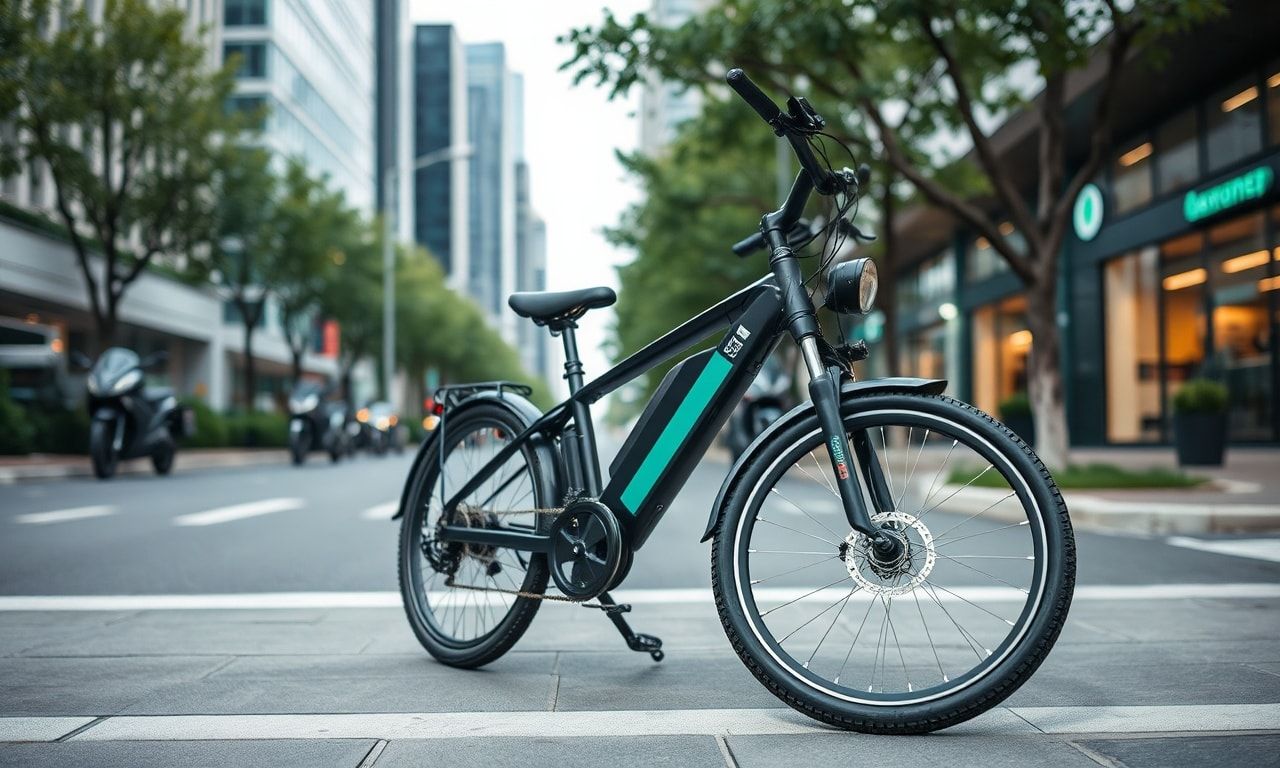
The Emergence of Electric Bikes
The urban landscape is witnessing a significant shift in transportation preferences, with electric bikes (e-bikes) gaining substantial traction. This surge in popularity can be attributed to a growing awareness of environmental issues, the need for sustainable urban mobility solutions, and advancements in battery technology. E-bikes offer a practical alternative to traditional bicycles and cars, combining the convenience of motorized transport with the health benefits and eco-friendliness of cycling.
Environmental and Health Benefits
One of the primary drivers behind the rise of e-bikes is their positive impact on the environment. Unlike cars, e-bikes produce zero emissions, making them an attractive option for environmentally conscious urban dwellers. This reduction in carbon footprint is crucial in combating climate change and improving air quality in densely populated areas. Additionally, e-bikes promote a healthier lifestyle by encouraging physical activity. While they provide pedal assistance, riders still engage in exercise, which can lead to improved cardiovascular health and overall well-being.
Cost-Effective Transportation
E-bikes also present a cost-effective transportation solution. With rising fuel prices and the high costs associated with car ownership, many urban residents are turning to e-bikes as a more affordable alternative. The initial investment in an e-bike is often lower than that of a car, and the ongoing maintenance and operational costs are significantly reduced. This financial advantage makes e-bikes an appealing option for budget-conscious individuals looking to save on transportation expenses.
The Role of Technology
Advancements in battery technology have played a pivotal role in the growing popularity of e-bikes. Modern e-bikes are equipped with high-capacity lithium-ion batteries that offer extended range and faster charging times. These technological improvements have made e-bikes more reliable and convenient for daily commuting. Furthermore, the integration of smart features, such as GPS navigation and smartphone connectivity, has enhanced the user experience, making e-bikes a more attractive option for tech-savvy consumers.
Urban Planning and Infrastructure
Cities around the world are increasingly recognizing the benefits of e-bikes and are taking steps to accommodate this growing trend. Urban planners are investing in dedicated bike lanes and charging stations to support e-bike usage. These infrastructure developments not only enhance the safety and convenience of e-bike riders but also encourage more people to adopt this sustainable mode of transportation. By prioritizing e-bikes in urban planning, cities can reduce traffic congestion, lower emissions, and create more livable and sustainable communities.
Challenges and Considerations
Despite the numerous benefits, the widespread adoption of e-bikes faces several challenges. One significant concern is the safety of e-bike riders, particularly in areas with heavy traffic. To address this issue, cities must invest in better infrastructure and enforce stricter regulations to ensure the safety of all road users. Additionally, the high initial cost of e-bikes can be a barrier for some potential buyers. However, as technology advances and production scales up, prices are expected to become more affordable, making e-bikes accessible to a broader range of consumers.
Another consideration is the availability of elektrikli bisiklet şehiriçi modelleri that are specifically designed for urban environments. These models often feature compact designs, robust build quality, and advanced safety features, making them ideal for navigating busy city streets. As the demand for urban e-bikes continues to grow, manufacturers are likely to introduce more innovative and specialized models to cater to this market.
Future Prospects
The future of e-bikes looks promising, with ongoing advancements in technology and increasing support from urban planners. As more people recognize the benefits of e-bikes, their popularity is expected to continue rising. This shift towards sustainable urban mobility has the potential to transform cities into more environmentally friendly and livable spaces. By embracing e-bikes, individuals can contribute to a greener future while enjoying the convenience and health benefits of this innovative mode of transportation.
Conclusion
The rise of electric bikes represents a significant shift in urban mobility, driven by environmental concerns, technological advancements, and the need for cost-effective transportation solutions. As cities continue to invest in infrastructure and regulations to support e-bike usage, the adoption of this sustainable mode of transport is likely to accelerate. By choosing e-bikes, urban residents can play a crucial role in creating a more sustainable and healthier future for themselves and their communities.