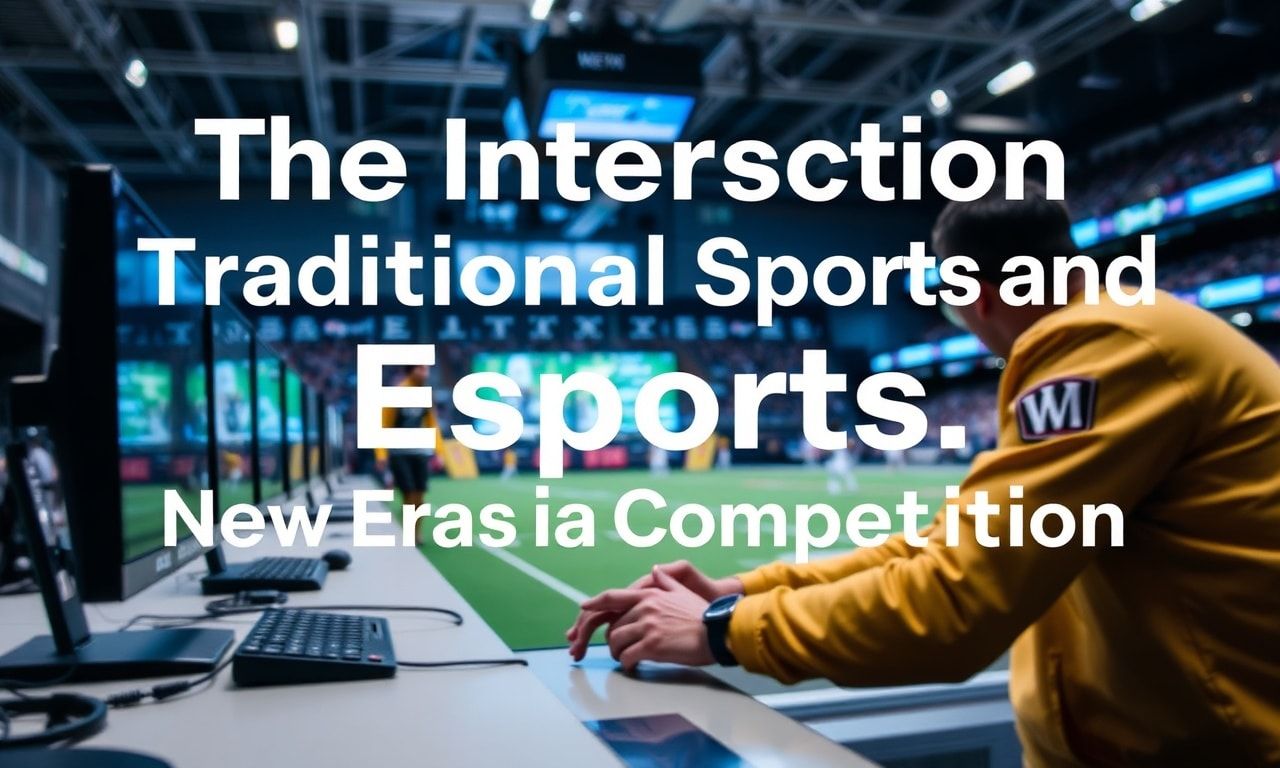
The Evolution of Sports in the Digital Age
The landscape of sports is undergoing a significant transformation with the rise of esports. Traditional sports, which have long been the cornerstone of global entertainment, are now sharing the spotlight with competitive video gaming. This shift is not merely a trend but a fundamental change in how we perceive and engage with competitive activities. As esports continues to gain traction, it is essential to explore how this digital phenomenon intersects with traditional sports and what it means for the future of athleticism and competition.
The Rise of Esports
Esports, or electronic sports, refers to competitive video gaming where professional players and teams compete in organized tournaments. The industry has seen exponential growth over the past decade, with millions of viewers tuning in to watch live streams and tournaments. The popularity of games like League of Legends, Dota 2, and Counter-Strike: Global Offensive has catapulted esports into the mainstream, attracting significant investment and sponsorship deals. The esports ecosystem now includes professional teams, coaching staff, analysts, and a dedicated fan base, mirroring the structure of traditional sports leagues.
Traditional Sports Embracing Esports
Recognizing the potential of esports, traditional sports organizations are increasingly embracing this new form of competition. Major leagues such as the NBA, NFL, and FIFA have established esports divisions or partnerships to engage with younger audiences and explore new revenue streams. For instance, the NBA has launched the NBA 2K League, where players compete in a virtual basketball environment. Similarly, FIFA has partnered with Electronic Arts to create the FIFA eWorld Cup, a global competition for players of the FIFA video game series. These initiatives not only broaden the appeal of traditional sports but also create new opportunities for athletes and fans alike.
In addition to these collaborations, traditional sports teams are investing in esports franchises. For example, the Paris Saint-Germain Football Club has acquired a team in the League of Legends European Championship (LEC), while the Golden State Warriors have invested in the Overwatch League team San Francisco Shock. These investments highlight the growing recognition of esports as a legitimate and lucrative sector within the sports industry.
The Impact on Athletes and Fans
The intersection of traditional sports and esports is creating new pathways for athletes and fans. Traditional athletes are increasingly engaging with esports, either as players or as ambassadors. For instance, retired NBA player Rick Fox co-owns the esports team Echo Fox, which competes in various esports leagues. Similarly, fans of traditional sports are discovering esports, expanding their entertainment options and deepening their engagement with competitive activities.
For fans, the rise of esports offers a new way to experience competition and connect with their favorite teams and players. The accessibility of esports, with its digital nature and global reach, allows fans from all over the world to participate in and follow tournaments. Websites like espor turnuva sonuçları haberleri provide up-to-date information on esports tournament results, keeping fans informed and engaged. This digital connectivity fosters a sense of community and shared excitement among fans, regardless of their geographical location.
The Future of Sports: A Blended Landscape
As traditional sports and esports continue to converge, the future of competitive entertainment is likely to be a blended landscape. The integration of technology, such as virtual reality and augmented reality, will further enhance the fan experience and create new opportunities for athletes. Traditional sports will benefit from the digital engagement strategies of esports, while esports will gain legitimacy and recognition through its association with established sports leagues.
Moreover, the skills and strategies required for success in esports are increasingly being recognized as valuable in traditional sports. The analytical and strategic thinking honed through competitive gaming can translate into improved performance on the field or court. As a result, athletes and coaches are exploring ways to incorporate esports training and strategies into their traditional sports routines.
Conclusion
The intersection of traditional sports and esports represents a new era of competition and entertainment. As the two worlds continue to converge, they create new opportunities for athletes, fans, and organizations. The future of sports is not a choice between traditional and digital but a harmonious blend of both, offering a richer and more engaging experience for all involved. By embracing this evolution, the sports industry can continue to thrive and adapt to the changing preferences and technologies of the digital age.
In the rapidly evolving world of sports, technology is playing an increasingly pivotal role; explore how in sports tech innovations today.
To gain a deeper understanding of the current political dynamics, consider exploring Pakistan’s political landscape insights in our latest comprehensive analysis.
As global economic shifts continue to impact various sectors, understanding the current state of real estate is crucial; delve into property markets’ evolving landscape for a comprehensive overview.