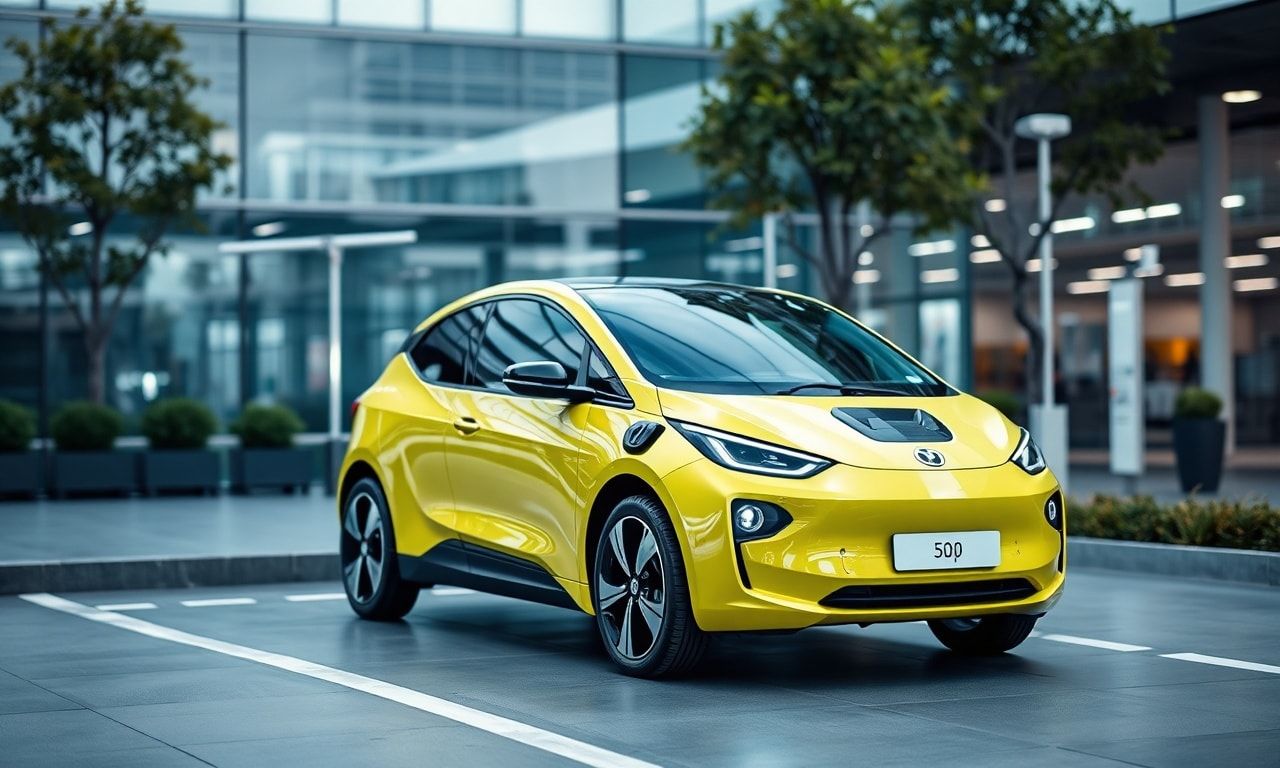
The Evolution of Electric Vehicles
The automotive industry is undergoing a transformative shift, with electric vehicles (EVs) at the forefront of this revolution. As we look towards 2026, the landscape of electric mobility is poised to expand significantly, driven by technological advancements, regulatory pressures, and increasing consumer demand for sustainable transportation options. This article delves into the anticipated developments, key players, and the broader implications of the EV market in 2026.
Technological Advancements and Innovations
By 2026, we can expect to see substantial improvements in battery technology, charging infrastructure, and autonomous driving capabilities. Battery technology, in particular, is expected to see breakthroughs that will extend the range of EVs and reduce charging times. Solid-state batteries, for instance, are anticipated to become more mainstream, offering higher energy density and improved safety compared to current lithium-ion batteries. Additionally, advancements in wireless charging and ultra-fast charging stations will make EV ownership more convenient and accessible.
Autonomous driving technology is also set to make significant strides. Many automakers are investing heavily in developing self-driving capabilities, which could become a standard feature in high-end EVs by 2026. This integration of autonomy with electric propulsion will not only enhance safety but also revolutionize the way we perceive and use personal transportation.
The Role of Regulatory Policies
Government policies and regulations will play a crucial role in shaping the EV market in 2026. Many countries have already announced plans to phase out the sale of new internal combustion engine (ICE) vehicles within the next decade. For example, the European Union aims to ban the sale of new petrol and diesel cars by 2035, while several U.S. states have set ambitious targets for EV adoption. These regulatory measures are expected to accelerate the transition to electric mobility, driving innovation and investment in the sector.
Incentives such as tax credits, subsidies, and rebates for EV purchases will continue to incentivize consumers to make the switch. Additionally, investments in charging infrastructure will be essential to support the growing number of EVs on the road. Governments and private companies are likely to collaborate on expanding the network of public charging stations, ensuring that EV owners have convenient access to charging facilities.
Key Players in the EV Market
The EV market in 2026 will be dominated by both established automakers and new entrants. Traditional automakers like Tesla, Volkswagen, and Ford are expected to continue their leadership in the EV segment, introducing a range of new models and technologies. Tesla, in particular, is anticipated to maintain its position as a market leader, with its advanced battery technology and autonomous driving capabilities setting the standard for the industry.
However, new players are also emerging, challenging the status quo. Companies like Rivian, Lucid Motors, and NIO are gaining traction with their innovative designs and cutting-edge technologies. These startups are not only competing with traditional automakers but also pushing the boundaries of what is possible in the EV market. For a detailed review of the upcoming 2026 electric vehicle models, visit the 2026 electric vehicle models review.
Consumer Trends and Market Dynamics
Consumer preferences are evolving, with an increasing number of buyers prioritizing sustainability and environmental impact in their purchasing decisions. The demand for EVs is expected to rise significantly by 2026, driven by growing awareness of climate change and the need for sustainable transportation solutions. Additionally, the total cost of ownership (TCO) of EVs is becoming more competitive, with lower operating costs and reduced maintenance requirements making them an attractive option for consumers.
The market dynamics of the EV industry will also be influenced by technological advancements and economies of scale. As production volumes increase, the cost of EV components, such as batteries and electric motors, is expected to decrease. This cost reduction will make EVs more affordable and accessible to a broader range of consumers, further driving market growth.
The Broader Implications
The transition to electric mobility will have far-reaching implications for various sectors, including energy, infrastructure, and employment. The increased demand for electricity to power EVs will necessitate investments in renewable energy sources and grid infrastructure. This shift could lead to a more sustainable energy system, reducing reliance on fossil fuels and lowering greenhouse gas emissions.
Additionally, the EV revolution will create new job opportunities in manufacturing, technology, and infrastructure development. As the industry grows, there will be a need for skilled workers in areas such as battery production, software development, and charging station installation. This transition presents an opportunity to reskill and upskill the workforce, ensuring that the benefits of the EV market are widely shared.
In conclusion, the EV market in 2026 is poised for significant growth and transformation. Technological advancements, regulatory policies, and consumer trends will shape the landscape of electric mobility, driving innovation and investment in the sector. As we look towards the future, the transition to electric vehicles offers a promising path towards a more sustainable and efficient transportation system.
As electric vehicles gain traction, the future of transportation shifts with significant market implications, according to the latest industry analysis.
In the midst of Madrid’s dynamic urban landscape, discovering how to lead a fulfilling life can be a challenge; our latest feature, tips for living well in Madrid, offers practical advice for residents and visitors alike.
You may also find Türkiye'de Konut Piyasası: 2023 Yılı Analizi helpful as it covers related aspects of this subject.