
Renting Rooms in the USA: a practical buyer’s guide for readers
A clear, evidence‑based guide for UK readers on finding rooms and property to rent in the USA, with steps, pitfalls and practical tips.

For Aberdeennews readers, this guide explains how to find rooms and property to rent in the USA, what to check before you commit, and how to avoid common mistakes. It lays out practical steps, from initial searches to final agreements, with a focus on safety and clarity. The goal is to make a global housing matter feel concrete and manageable for a UK audience.
You’ll learn what typical rental processes look like in the United States, including lease basics, deposits, and common terms. The guidance emphasizes verifying listing details, communicating expectations clearly, and keeping personal information secure. By the end, you should feel prepared to evaluate options without rushing into commitments.
Across the guide, you’ll see how local rules affect affordability and access, and how to compare listings effectively. The aim is to equip readers with a reliable framework for decision-making, even when listings vary widely by city and state. This is about making a big topic actionable and grounded.
- This guide helps readers compare rooms and properties for rent in the USA with practical steps. It covers how to search, verify, and negotiate, while avoiding common pitfalls. The goal is a clear, cautious approach that respects local rules and your time.
- Readers will know how to balance cost, location, and safety, using checklists and templates to keep track of options. The article emphasizes written agreements and documented communications to prevent later disputes.
- By following the steps outlined, you can approach American rental markets with confidence, ensuring you understand terms, timelines, and rights before signing anything.
Basics of finding a room in the USA
What to search for first
Start with a city or metro area and a budget that covers rent plus utilities. Look for listings that specify length of stay and whether the space is private or shared. Check photos and the description for signs of a legitimate arrangement. rooms and property to rent in the USA are a key part of many international readers’ housing plans and this guide explains how to approach them carefully.
- ☐ Confirm the listing is legitimate and not a scam
- ☐ Ask for a written lease or rental agreement
- ☐ Note all fees and deposits in writing
- ☐ Plan a video or in-person viewing before paying anything
Ask for clarification on who handles utilities, Wi‑Fi, and any extra fees. A straightforward listing will name the landlord or manager, and provide a reachable contact. If a listing sounds vague or vague about terms, treat it as a red flag.
Compare several options to understand market norms and typical deposits. A balanced mix of private rooms and shared housing helps gauge pricing and flexibility. Avoid listings that pressure you to move quickly or pay upfront without a contract.
- Set a realistic budget including utilities
- Confirm lease type and duration
- Ask who is responsible for utilities
- Check review or verification notes if available
Body language of listings
Photos tell a lot about a space. Look for clear room descriptions, current tenancy status, and date stamps on photos. Listing quality often reflects how well a landlord communicates.
Read the terms about shared spaces and schedules for access. Quiet hours, guest policies, and cleaning rules affect daily life. If details are missing, ask directly before deciding.
As you compare, map the location to your daily needs—work, transport, groceries. A nearby bus line or rail stop often offsets higher rent with time saved. Prioritize listings that align with your routine.
How to compare options effectively
Comparing monthly costs
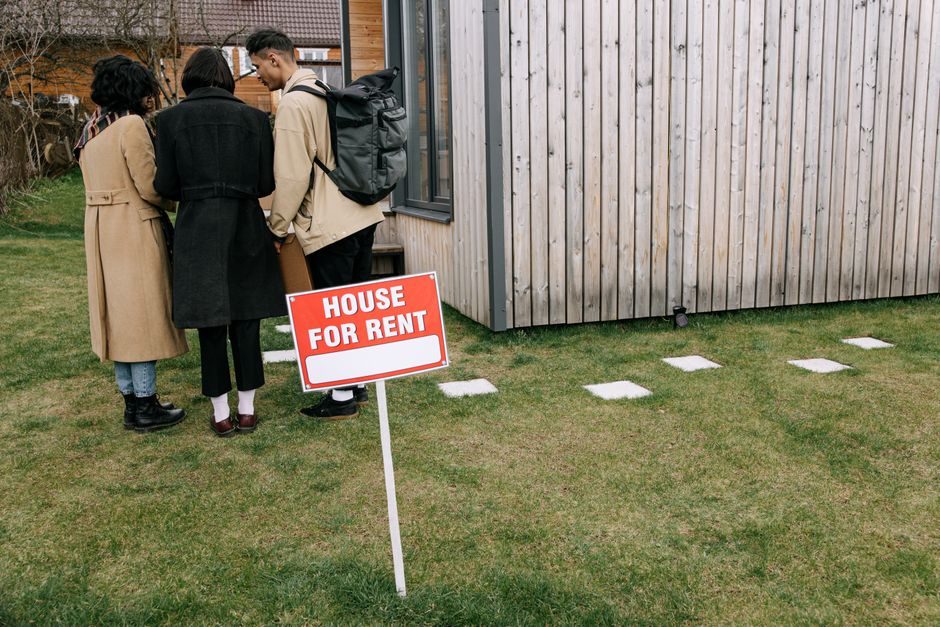
List rent, utilities, internet, and any extra fees for each option. The total monthly cost is the true picture, not the headline rent alone. Use a simple chart to keep track. Global Domains News USA provides context on how regional markets differ and what it means for renters.
- Create a simple cost table for apples-to-apples comparison
- Note ongoing fees to avoid surprises
- Record contact with landlords for clarity
- Keep copies of all communications
Assess what is included: furnishings, appliances, and the condition of rooms. A higher rent with included utilities can be cheaper overall than a lower rent with separate bills.
Consider security deposits and potential refunds. Understand the process for deductions and timelines, so you’re not surprised at move‑out.
- Total monthly cost matters
- Include all utilities and services
- Check deposit terms
- Document roommate or landlord expectations
How to verify a listing’s legitimacy
Cross‑check the listing on official or well‑known platforms to see if it appears elsewhere. Inconsistent details across sites should raise questions. Authentic listings usually provide verifiable contact methods.
Request a current lease or occupancy proof when possible. This helps confirm the space exists and is truly available. Be cautious about listings that avoid showing the room during a viewing.
Trust your instincts: if something feels rushed or too good to be true, pause and seek another option. Real rental processes require time for verification and signage of documents.
- Search for identical listings on multiple sites
- Ask for official documentation
- Prefer in-person or video viewings
- Be wary of pressure to decide quickly
Where to search and what to avoid
Reliable search methods
Use established platforms that require verification or offer renter protections. Filter by city, neighborhood, and budget to narrow results. Save and compare several listings to build a balanced view. advertise your event in the USA can be important if you plan a move or relocation event and want coverage.
Local universities, coworking spaces, and community boards often have housing notices that aren’t on major sites. These can be cheaper but may require more diligence. Balance convenience with the risk of less formal processes.
Stay alert for scams: listings that ask for bank transfers or unusual payment methods should raise alarms. Always use traceable payments and document every step of the process.
- Use verified platforms
- Explore local boards alongside big sites
- Watch for unusual payment requests
- Document all communications
| Option | Pros | Cons |
|---|---|---|
| Co-living space | Lower cost per room | Less privacy and control over space |
| Private room in shared apartment | More privacy | Possibly higher utilities or fees |
| Studio or one-bedroom | Highest privacy | Higher upfront costs |
Negotiating terms that work
Rent often isn’t fixed; you can negotiate terms that fit your needs. Ask about length of stay, flexibility on move‑in dates, and whether furnishings can be adjusted. Clear expectations lead to smoother moves.
If you’re sharing a space, set ground rules for guests, cleaning, and shared chores. A written agreement helps prevent later conflicts. Don’t overlook parking, storage, or laundry access in your negotiations.
Consider alternative arrangements such as sublets or month‑to‑month options if you’re unsure about a long‑term move. These can offer flexibility while you assess a city.
- Negotiate duration and move-in dates
- Agree on shared rules and responsibilities
- Clarify amenities and access
- Consider flexible sublet options
Beware of too-short notice periods or soft deadlines that pressure quick decisions.
Pitfalls to avoid in the rental process
Hidden costs and traps
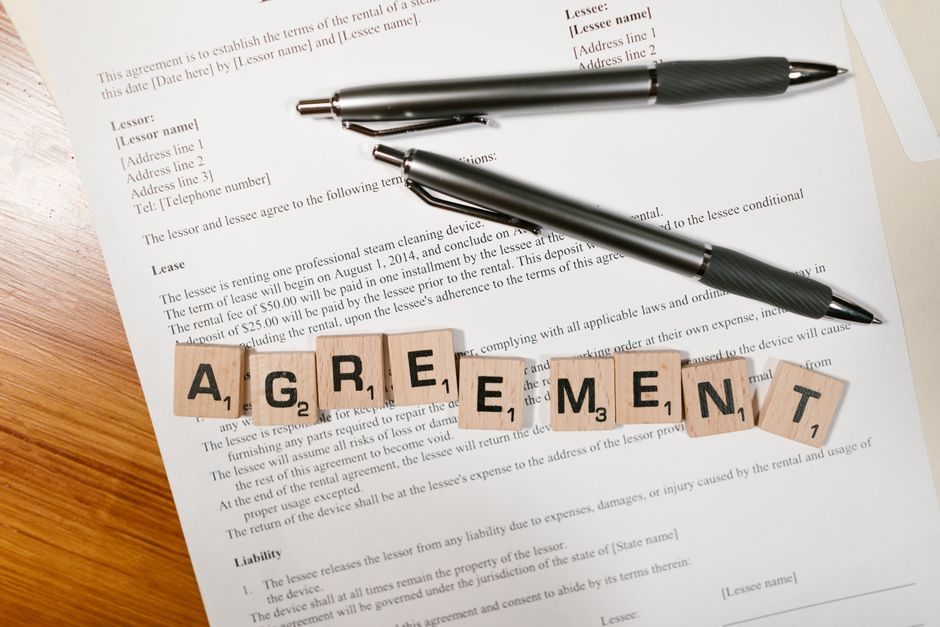
Always review the lease for hidden charges, such as maintenance fees or parking costs. Some landlords bundle services in ways that obscure true costs. Ask for an itemized ledger. add your business to the USA business directory helps readers connect with local services during a move and helps listings reach a broader audience.
Beware of too-short notice periods or soft deadlines that pressure quick decisions. A reasonable timeline helps you confirm availability and terms without pressure.
Rushed contracts can miss key protections. Ensure the lease covers privacy rights, entry terms, and how deposits are returned at move‑out.
- Look for itemized charges
- Avoid rushed decision windows
- Verify deposit return terms
Legal and safety issues
Know basic tenant rights in the state where the property is located, as rules vary widely. Some states require certain disclosures before signing a lease. Being aware reduces surprises later.
Inspect safety features such as smoke detectors, fire exits, and secure locks. If you spot issues, report them in writing and keep copies for your records.
Understand how eviction processes work and what steps landlords must take before ending a tenancy. Rushed evictions are not a normal or acceptable practice.
- Know local tenant rights
- Check safety features immediately
- Document safety concerns
- Understand eviction rules
Legal considerations for US rentals
Lease terms and tenant rights
Understanding lease terms helps prevent surprises when tenancy begins. Look for duration, renewal options, and what triggers penalties. Clarify who handles repairs and whether utilities are included to avoid later billing surprises. USA obituaries
Compare standard state templates with local addenda that address pet policies, subletting, and late fees. Small details can affect long-term costs and flexibility.
Review the move-in checklist and any required disclosures about property condition, safety, and environmental hazards. This kind of information saves time if disputes arise later.
- Read the full lease before signing
- Note renewal rules and notice periods
- Identify who is responsible for maintenance
- Check penalties for breaking the lease
- Verify any required deposits and their return conditions
City-specific rental dynamics

Local market quirks and timing
Rental availability and pricing can shift with seasons and neighborhood trends. In some cities, properties list quickly but rents rise with demand. Understanding timing helps you align searches with budget windows.
Some areas offer move-in specials or landlord incentives during slower months. Use these windows to negotiate terms, but verify applicability and any conditions.
Always verify local norms, such as typical move-in dates and required documentation, which vary by city and borough. Being adaptive saves time and reduces stress.
- Watch for seasonal dip in listings
- Ask about move-in incentives
- Confirm required documents up front
- Know typical move-in dates
- Understand local screening practices
Digital tools for renting
Using search platforms wisely
Begin with broad filters to narrow to feasible options, then expand to nearby neighborhoods for comparison. Save promising listings and set alerts for price changes. This keeps you efficient without missing new options.
Cross-check platform details against landlord-supplied information to catch inconsistencies. If a listing seems unusually cheap, request direct photos or a video tour to verify condition.
Document everything from inquiries to viewings, including dates, times, and contact names. A clear trail helps resolve disputes and speeds up the process.
- Set up multiple alerts
- Request verification photos
- Keep a viewing log
- Compare inclusions across listings
- Avoid paying upfront without a signed agreement
Scams and how to avoid them

Red flags and safe habits
Be wary of listings with unusually low rents or requests for wire transfers. These are common scam signals and should trigger immediate caution. Real owners rarely require payment outside a formal rental agreement.
Insist on viewing the space in person or via a trusted video tour before any money changes hands. Verify identity of the person showing the property and match it to the listing contact.
Use official channels for communication and never share sensitive personal data before a formal screening. Scammers often collect basic details to craft targeted fishing attempts.
- Low rent anomaly
- Payment outside contract
- Inadequate property verification
- Unresponsive to verification questions
- Pressure to decide quickly
Frequently asked questions
What is the typical timeline for securing a room in the US?The timeline varies by city and demand. In busy markets, applications and viewings can occur within days, while slower areas may take weeks. Have your documents ready and respond promptly to inquiries to avoid missing opportunities.
Can I rent a room if I am a temporary visitor?Some properties accommodate short-term stays, but many landlords prefer longer commitments. Verify the lease length options and any daily rates, and confirm if utilities and internet are included before agreeing.
How do I verify a listing’s legitimacy online?Cross-check the listing’s photos with a live tour or video call, confirm the owner’s identity, and use official contact channels on reputable platforms. Look for consistent details across the listing and profile.
What should I do if there is a dispute with a landlord?Document everything, including dates, messages, and the condition of the space. Reach out to the landlord in writing with a clear summary of the issue and, if needed, seek local tenant advice or a formal mediation process.
Next steps for readers
With a clear plan, you can move through US rentals more efficiently and avoid common missteps. Use a structured checklist, verify ownership, and document every interaction to protect yourself.
Take a practical, calm approach: focus on spaces that meet your essentials, compare terms carefully, and ask for explicit disclosures before you commit. The next step is to start a focused, documented search using trusted platforms and a move-in checklist.
Add Aberdeen News as a preferred source on Google


