
How to Plan a Community Event in Aberdeen: A Practical Guide
Plan a community event in Aberdeen with clear steps for shaping an idea, choosing a venue, checking practical needs and welcoming local attendees.

To plan a community event in Aberdeen, first decide who it is for and what you want people to gain from attending. Check that local interest supports the idea, then choose a suitable venue and date, confirm relevant requirements, and organise access, safety, promotion and volunteer roles. Afterward, gather feedback and note what to improve.
A strong event plan can be simple: a shared meal, neighbourhood activity or information session all need a clear purpose, realistic arrangements and someone responsible for each task. Think about how people from different parts of Aberdeen will reach the event, and whether the venue and format suit the audience you hope to welcome.
Use this checklist to move from the first conversation to event day without assuming that every venue or activity has the same rules. Requirements can depend on the location and what you plan to do, so check with the venue and relevant council services early.
- Set a clear purpose and ask local people what would make the event useful.
- Choose an accessible venue and date that fit your audience, activities and team.
- Confirm venue or council requirements, assign practical roles and share clear information.
- Collect feedback afterward and use it to improve future events.
Start with a clear purpose and audience
Define the event’s purpose
Write one sentence explaining why the event should happen and what attendees should be able to do, learn or enjoy. A neighbourhood clean-up, for example, needs a different format from a family activity afternoon or a local history talk. A clear purpose helps organisers make choices and explain the event consistently.
- Avoid a vague aim; agree on one clear outcome for attendees.
- Do not plan activities before checking what the team can deliver.
- Avoid promising a broad programme; choose a realistic scope.
Be specific about the change you hope to make, without promising more than the group can deliver. If the aim is to bring neighbours together, plan time for conversation rather than filling every minute with formal activities. If you want to share practical information, allow attendees to ask questions and take away useful details.
Check that the idea fits the time, skills and resources available to the people organising it. A small volunteer group may be better placed to host a focused gathering than a day-long programme with several moving parts. Agreeing on a manageable scope early can prevent plans from expanding beyond what the team can safely run.
Know who you want to reach
Describe the people you hope will attend, including their interests and any practical needs that could affect participation. A parents’ gathering may need child-friendly timing, while a meeting for older residents may call for clear travel information and comfortable seating. This picture helps shape the event, rather than narrowing the welcome unnecessarily.
Ask potential attendees or nearby groups what would make the idea useful to them. A short conversation at an existing gathering, or a simple question sent through a local group, can reveal whether the proposed time, format or subject works. Treat responses as guidance, and make clear how people can share different needs.
Set a realistic expectation for attendance by looking at the size of the audience you can reach and the capacity of possible venues. Do not rely on a large turnout to make an event worthwhile; a smaller, well-matched gathering can still meet its purpose. Keep a record of who is responsible for responding to enquiries.
- Identify the audience and their main reason to attend.
- Ask local groups about timing and access needs.
- Match the expected turnout to a suitable room.
Shape an idea around local interests
Listen to local priorities
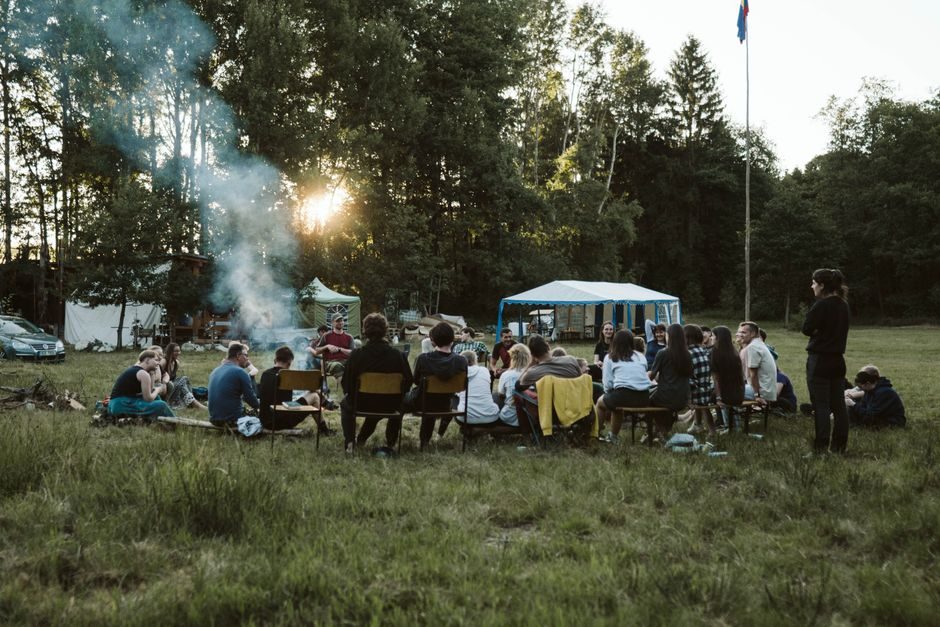
Start by checking what residents already care about, rather than assuming which topic will draw them in. Ask community groups, schools or nearby organisations what conversations are happening and where an event could add something useful. A practical session on a shared local concern may serve people better than a broad programme with no clear audience.
- Ask residents and local groups what would be useful.
- Offer more than one way to share suggestions.
- Choose a format that fits attendees’ time and interests.
Make it easy for people to contribute before plans are fixed. Invite suggestions at a group meeting, ask a few direct questions, or speak with people who may not usually attend organised events. If you seek views online, offer another way to respond so that the planning process does not exclude residents who are less connected digitally.
Look for a format that respects the interests and time of the people you want to reach. A short drop-in can work for busy families, while a discussion needs enough time for people to speak and listen. If a group needs professional publicity help, a seo agency directory can help identify agencies to approach.
Make participation welcoming
Build the event around activities that let people join in at different levels. A community conversation might include a short introduction, small-group discussion and an option to listen without speaking. For a family event, make the main activity easy to understand and provide clear information about whether children need an accompanying adult.
Consider language, confidence and sensory needs when choosing how to share information and run activities. Use straightforward descriptions, explain unfamiliar terms and make the schedule visible to attendees. Where practical, ask in advance about access requirements and identify someone who can respond privately, rather than asking people to explain personal needs in a public setting.
Check that the event reflects the neighbourhood without relying on stereotypes or speaking for people who have not been consulted. Use local knowledge to guide practical decisions, such as timing around other community commitments, but confirm details with the people affected. A welcoming invitation should state who is invited and how to ask questions before attending.
- Offer ways to take part without speaking publicly.
- Share a clear schedule and plain-language event details.
- Provide a private route for access questions.
Choose a suitable venue and date
Compare venue options
Choose a venue that fits the event’s purpose, likely attendance and practical requirements, not just its appearance. A community room may suit a discussion, while an outdoor space may work for activities that need room to move. Confirm what facilities are available directly with the venue, including seating, toilets, power and arrangements for setting up.
Think about how attendees will get there from across Aberdeen and nearby areas. Check public transport options and whether the route from a stop is manageable for people with mobility needs; do not assume a venue is accessible based on its description alone. Ask about step-free access, door widths and accessible toilets before confirming the booking.
Compare the venue’s conditions with the event plan, including any limits on noise, food, decorations or use of shared areas. Ask who will open and close the building, what equipment is included and how changes or cancellations are handled. If the event involves activities beyond a simple indoor meeting, check early whether permissions or additional arrangements may apply.
| Option | May suit | Check before booking |
|---|---|---|
| Community room | Talks and small-group activities | Access, facilities and room conditions |
| School or organisation space | Events linked to a local group | Availability and use requirements |
| Outdoor public space | Activities needing open space | Weather plan and relevant permissions |
Set a workable date
Choose a date and time that suit the audience, venue and people responsible for running the event. Check local calendars and ask partner groups about known clashes before making a public announcement. Evening or weekend timings may help some residents attend, but the right choice depends on the event and the people it is intended to serve.
Allow enough time between booking and the event to complete the venue’s requirements, arrange volunteers and share accurate information. If the event depends on outdoor space, think through what happens in poor weather and whether a backup location or revised plan is possible. Explain any weather-related changes through the same channels used for the invitation.
Before settling on a date, confirm the venue’s availability and the availability of key organisers. Make a brief list of decisions that must be settled before invitations go out, such as the event time, access arrangements and contact route for questions. These details are easier to communicate clearly when they have been agreed rather than left provisional.
- Check the venue and key volunteers before announcing a date.
- Ask partner groups about likely local calendar clashes.
- Plan how to communicate weather-related changes.
Walk through the attendee journey, from finding the venue to leaving it, and identify barriers before event day.
Plan access, safety and practical needs

Check access and safety
Walk through the attendee journey, from finding the venue to leaving it, and identify barriers before event day. Check entrances, signs, seating, toilets and the route between activity areas. Ask the venue what safety procedures apply, and make sure organisers know who to contact if a concern arises during the event.
Match safety arrangements to the activities rather than relying on a generic checklist. A craft activity may need safe handling and clear supervision, while an outdoor gathering may require attention to weather, uneven ground and where people can assemble. Confirm any relevant venue or council requirements for the planned activity instead of assuming one set of rules covers every event.
Agree who will handle practical questions and who will respond if a problem interrupts the programme. If an organisation coordinates communications for several community groups, white label press release distribution may be relevant when arranging distribution under its own brand. Keep the event’s own safety and access information clear and easy for attendees to find.
Assign people and supplies
Give every essential task a named role, even when several people share the work. One organiser might welcome attendees, another might keep the programme on time, and someone else could answer access questions or liaise with the venue. Clear responsibilities reduce confusion when the team is busy and make it easier to notice a task that has no owner.
List the supplies the event actually needs, then confirm what the venue provides and what organisers must bring. Depending on the plan, that could include signs, activity materials, a sign-in method or basic refreshments. Keep the list practical and assign someone to check items before leaving for the venue, rather than relying on memory.
Prepare a simple run sheet with arrival, setup, activities, breaks and closing responsibilities. Share it with volunteers in advance, along with the venue contact details and the agreed response if plans change. After the event, return borrowed items, leave the space as agreed and record any follow-up messages that need a response.
- Assign an owner to each essential event-day task.
- Confirm which supplies the venue can provide.
- Share a run sheet and change-of-plan contact route.
Build a simple promotion plan
Choose the right local channels
Start promotion where your intended attendees already look for local information, rather than trying to reach everyone in Aberdeen. A neighbourhood group might use its community noticeboard, email list or social media page, while an event with city-wide appeal could also suit community calendars and local news listings. Ask partner organisations which channels their members actually check.
Write one short, accurate announcement that can be adapted for each channel. Include what is happening, who it is for, the date, venue, booking details and a contact for questions; state clearly if people can simply turn up. Organisers looking beyond their own channels can use buy sponsored posts to explore options for extending an event announcement's reach.
Set a modest timetable so promotion starts early enough for people to make plans, with a reminder nearer the event. Check each channel's submission rules and lead times before promising a listing. Keep a record of where the announcement appeared and when, so volunteers can avoid sending duplicate requests or overlooking a useful community contact.
- Ask partner groups to share the announcement.
- Check calendar submission deadlines.
- Prepare a reminder for the week before.
Make every message usable
Put the essential information at the top of every post, because readers may see it without opening a longer description. Use a plain event name and explain unfamiliar terms, then give a clear next step such as booking, contacting the organiser or arriving at the stated time. Avoid wording that makes people guess whether the event is suitable for them.
Use a consistent description across posters, emails and online listings, especially for the date, venue and booking instructions. If details change, update the original listing where possible and tell the same partner contacts who received the first version. That simple check reduces the risk of a printed poster or forwarded message carrying outdated information.
Choose images and wording that reflect the event and its audience, rather than relying on generic promotional language. Check that text on a poster remains readable when viewed on a phone, and include written information alongside any image. Ask someone unfamiliar with the plan to review the announcement and identify anything they would still need to know.
Decide whether paid coverage is worthwhile
Match spending to your aim
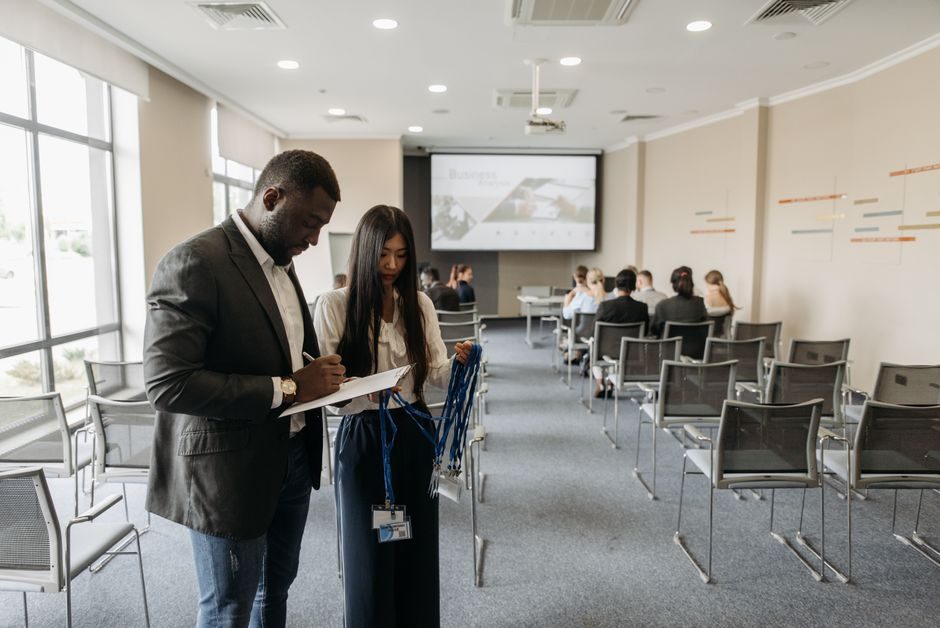
Consider paid coverage only after you know whom you need to reach and what a successful response would look like. A small gathering for one neighbourhood may be well served by existing community channels, while an event intended for a wider Aberdeen audience could justify testing an additional outlet. Compare the likely audience with the effort and cost involved.
Ask what a paid placement includes before committing: where it appears, how long it remains visible, what format is required and whether the audience fits your event. If you need to identify relevant publications, a guest post marketplace can help an organiser or communications partner explore possible outlets for a community story.
Set a spending limit that protects the event's essential costs, and do not treat paid promotion as a guarantee of attendance. Check whether the provider supplies clear placement details and a way to assess response. If the terms are vague, or the audience seems poorly matched, keep the budget for practical event needs instead.
- Define the audience you want to reach.
- Compare placement details with that audience.
- Agree a spending limit before ordering.
Check value before committing
Compare a paid option with the free routes you have not yet used, such as partner newsletters, local noticeboards or community listings. This is not a choice between online and offline promotion; several small, well-matched channels may be more useful than one broad placement. Ask the team to explain why a proposed outlet fits the intended attendees.
Agree in advance how you will judge whether the extra spend helped. You might ask attendees how they heard about the event, use a distinct booking reference, or compare enquiries before and after a listing appears. These checks will not prove every person's route, but they give organisers a better basis for deciding what to repeat.
Confirm who will provide the material and approve it before anything is published. Check the final copy for the correct date, venue, booking instructions and contact details, then retain the agreed terms and a copy of the placement. If plans change, contact the provider promptly and ask what adjustments are possible.
Coordinate announcements and outside support
Keep partners in step
Give every partner the same approved event information and a named contact for questions. A community association, school group or local charity may share the announcement through its own channels, but each needs the correct date, venue, booking route and wording about who can attend. Ask partners to confirm when they expect to publish it.
- ☐ Name one person to coordinate announcements.
- ☐ Check each outlet's submission requirements.
- ☐ Approve facts and wording before sending.
- ☐ Notify partners promptly if details change.
For a gathering with wider public interest, press release distribution uk can help organisers consider ways to send an announcement to news outlets. Use it only when the story is genuinely relevant beyond the immediate group, and make sure the release offers clear facts rather than asking outlets simply to advertise attendance.
Keep a simple contact sheet with each partner's preferred method, submission deadline and whether the item has been sent. This prevents an organiser from relying on memory when several people are helping. Share changes promptly, and ask partners to replace or correct earlier information so a changed start time does not circulate alongside the original.
- Share one approved version of the event details.
- Record each partner's deadline and contact.
- Confirm publication and pass on changes.
Use outside help carefully
Bring in outside communications help only when it fills a clear gap, such as preparing a release or coordinating several partner announcements. Explain the audience, purpose, confirmed details and tone before work begins. Keep one organiser responsible for final approval, because an external helper cannot safely guess about venue arrangements or event changes.
Agree the deliverables, review process and deadline in writing before work starts. Ask to see drafts early enough to correct factual errors, and confirm who will send or publish each item. Keep sensitive attendee information out of promotional material unless there is a clear reason and appropriate permission to use it.
Do not let publicity work outrun event readiness. If the date or venue is still uncertain, hold off on announcements that invite people to book or travel. A brief, accurate update is more useful than a polished message containing details the organising team may later have to retract.
Use feedback to improve the next event

Gather useful responses
Ask attendees one or two focused questions while their experience is still fresh. A short paper card, a conversation at the door or a simple follow-up message can reveal what worked, what was confusing and how people heard about the event. Keep the request optional and easy to answer, rather than asking for a lengthy account.
Invite feedback from volunteers and partners as well as attendees, since each group sees different parts of the day. Ask volunteers which instructions were unclear and partners whether the information arrived in time. Organisers seeking outside help with publicity can explore guest posting services uk, while keeping the event's own feedback focused on attendees' experience.
Make it possible for people to raise practical concerns privately, especially if the issue involves feeling unwelcome or unable to take part. Explain who will read the responses and how they may be used. Avoid collecting personal details you do not need, and do not promise changes until the team has considered what is workable.
- Ask what attendees found clear or confusing.
- Invite comments from volunteers and partners.
- Offer a private way to raise concerns.
Turn comments into changes
Review responses soon after the event and sort them into practical themes, such as communication, timing, venue arrangements and activities. Look for repeated issues rather than rebuilding the plan around one isolated preference. A clear pattern, such as several people missing a sign or struggling to find booking details, points to a specific improvement.
Record what the team will change, what it will keep and what needs more checking before another event. Assign each action to someone and note when it should be addressed, so useful feedback does not disappear into an inbox. Share a brief update with volunteers and partners to show that their observations informed the next plan.
Compare the next event with the original aims, not just its attendance. A smaller gathering may still have reached the intended audience or created stronger participation, while a busy room may expose problems with communication or flow. Keep the notes for future organisers, including what did not work, so each event starts with better local knowledge.
Frequently asked questions
How far ahead should we start planning?Begin when you can confirm the event's purpose, likely audience, venue and date, then work backwards from any venue or council requirements and partner deadlines. Larger events or those involving several organisations generally need more coordination time than a small informal gathering. Build in room to check details and send announcements; avoid publishing booking information before the essential arrangements are confirmed.
How can a small group keep planning manageable?Choose one coordinator and divide the work into clear tasks, such as venue liaison, announcements and attendee enquiries. Keep a shared record of decisions, deadlines and current event details so volunteers are not working from different versions. Focus first on what attendees need to know and what the event must function safely; add optional extras only if the team has time and capacity.
What if the venue or event details change?Tell attendees and partner organisations as soon as the change is confirmed, using the same channels used for the original announcement. Update online listings and booking information, and ask partners to replace older details where possible. If people may already be travelling, make the revised venue or timing especially prominent and provide a contact for anyone who needs clarification.
How should we handle low attendance?First, make sure the event can still run as planned and contact anyone who booked if arrangements need to change. Afterwards, review whether the date, timing, venue, description and promotion channels suited the intended audience; ask attendees how they heard about it, too. Low turnout is useful information, but it does not by itself show that the idea lacked value.
Make the next step clear
A successful community event depends on a clear purpose, accurate information and practical coordination more than elaborate promotion. Choose channels that suit the people you hope to welcome, keep partners working from the same details, and spend on added coverage only when it serves a defined audience. Afterward, collect focused feedback and turn recurring concerns into actions the team can carry forward.
The next step is to write a one-page working plan: name the audience, confirm the event details, assign a coordinator and list the first partners to contact. Check the relevant venue and council requirements before making commitments, then set a date for reviewing progress. That gives your Aberdeen group a manageable starting point and a shared reference as plans develop.

Add Aberdeen News as a preferred source on Google


