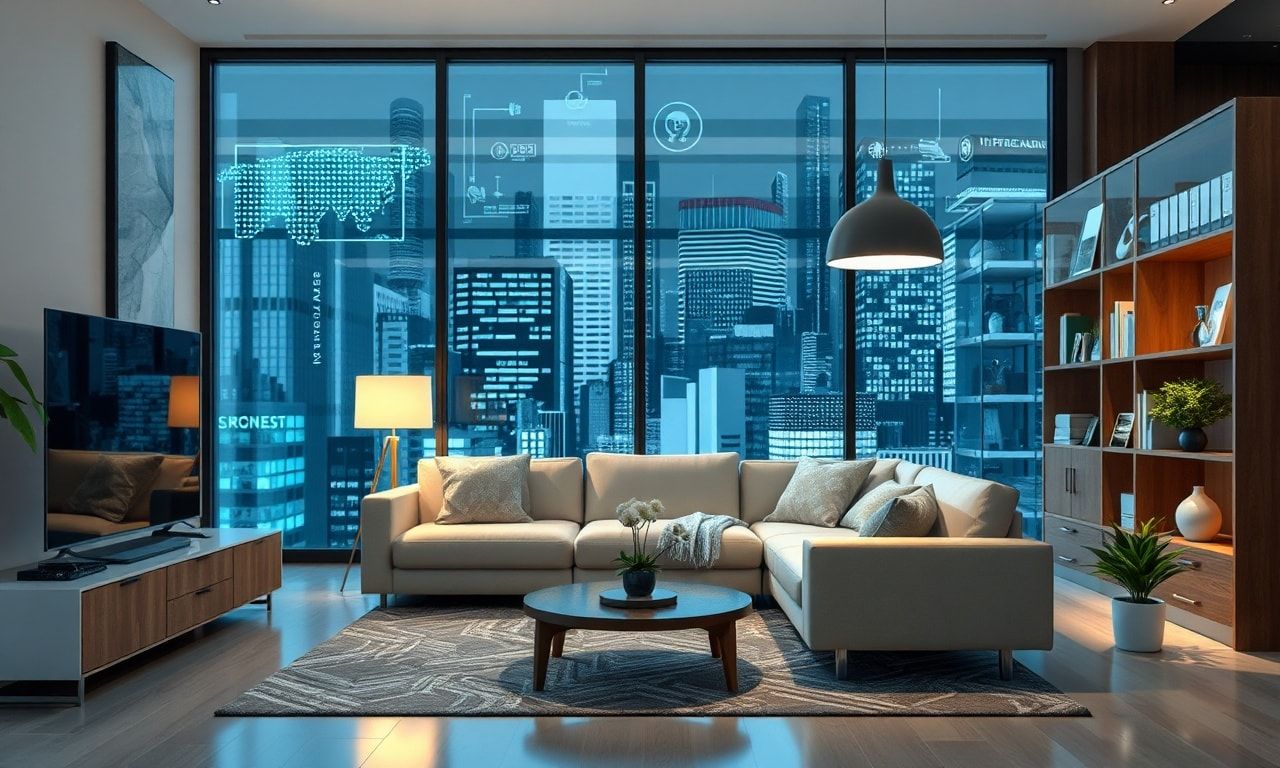
The Evolution of Smart Homes
The concept of smart homes has evolved significantly over the past decade. What once seemed like a futuristic dream is now a reality for many households. The integration of smart home devices has revolutionized the way we live, offering unprecedented convenience, security, and energy efficiency. As we look ahead, the future of smart homes promises even more groundbreaking innovations.
Current Trends in Smart Home Technology
Today, smart home technology encompasses a wide range of devices, from voice-activated assistants to automated lighting and security systems. These devices are designed to make our lives easier and more efficient. For instance, smart thermostats can learn your preferences and adjust the temperature accordingly, while smart locks provide enhanced security by allowing you to control access to your home remotely. The market for these devices is growing rapidly, with new products and features being introduced regularly.
One of the most exciting aspects of current smart home technology is the ability to integrate multiple devices into a single, cohesive system. This integration allows for seamless control and automation, creating a truly smart home environment. For example, you can set up your smart home system to turn on the lights, adjust the thermostat, and play your favorite music as soon as you walk through the door. This level of customization and automation is made possible by advancements in artificial intelligence and machine learning.
The Role of AI and Machine Learning
Artificial intelligence (AI) and machine learning are playing a crucial role in the development of smart home technology. These technologies enable devices to learn from user behavior and adapt to their preferences over time. For example, a smart speaker with AI capabilities can recognize your voice and understand your commands, making it easier to control various aspects of your home. Machine learning algorithms can analyze data from multiple devices to optimize energy usage, reduce costs, and improve overall efficiency.
AI-powered smart home devices are also enhancing security. Advanced algorithms can detect unusual activity and alert homeowners to potential threats. For instance, a smart security camera with AI capabilities can distinguish between a family member and an intruder, sending real-time notifications to your smartphone. This level of intelligence is transforming the way we think about home security, making our living spaces safer and more secure.
Looking Ahead: Smart Home Devices Review 2026
As we look towards the future, the possibilities for smart home technology are endless. Experts predict that by 2026, smart home devices will become even more sophisticated and interconnected. According to a recent smart home devices review 2026, we can expect to see advancements in areas such as energy management, health monitoring, and entertainment. For example, smart home systems may be able to monitor your health metrics and provide personalized recommendations for improving your well-being. Additionally, energy management systems will become more efficient, reducing our carbon footprint and saving money on utility bills.
Another exciting development is the integration of smart home technology with renewable energy sources. Solar panels, wind turbines, and other renewable energy systems can be connected to smart home devices to create a more sustainable and eco-friendly living environment. This integration will not only reduce our dependence on fossil fuels but also contribute to a cleaner and healthier planet.
Challenges and Considerations
While the future of smart homes is bright, there are also challenges and considerations to keep in mind. One of the main concerns is data privacy and security. As smart home devices become more interconnected, the risk of data breaches and cyber attacks increases. It is essential for manufacturers to prioritize security and implement robust measures to protect user data.
Another challenge is the cost of smart home technology. While prices have decreased over the years, high-quality smart home devices can still be expensive. This cost barrier may prevent some consumers from adopting smart home technology, limiting its widespread adoption. However, as technology continues to advance, prices are expected to decrease, making smart home devices more accessible to a broader range of consumers.
Conclusion
The future of smart homes is filled with exciting possibilities. From AI-powered devices to renewable energy integration, the advancements in smart home technology are transforming the way we live. As we look ahead to 2026 and beyond, it is clear that smart home technology will continue to play a significant role in our daily lives. By addressing challenges such as data security and cost, we can ensure that the benefits of smart home technology are accessible to everyone, creating a more convenient, secure, and sustainable living environment.
To understand how international occurrences shape our community, consider exploring global events’ local consequences in our latest feature.
Tech enthusiasts and industry professionals will find innovations shaping the future particularly insightful as it delves into the latest developments showcased at this year’s Global Tech Summit.
In the midst of ongoing global health challenges, examining innovative healthcare solutions worldwide offers valuable perspectives on potential advancements and strategies.