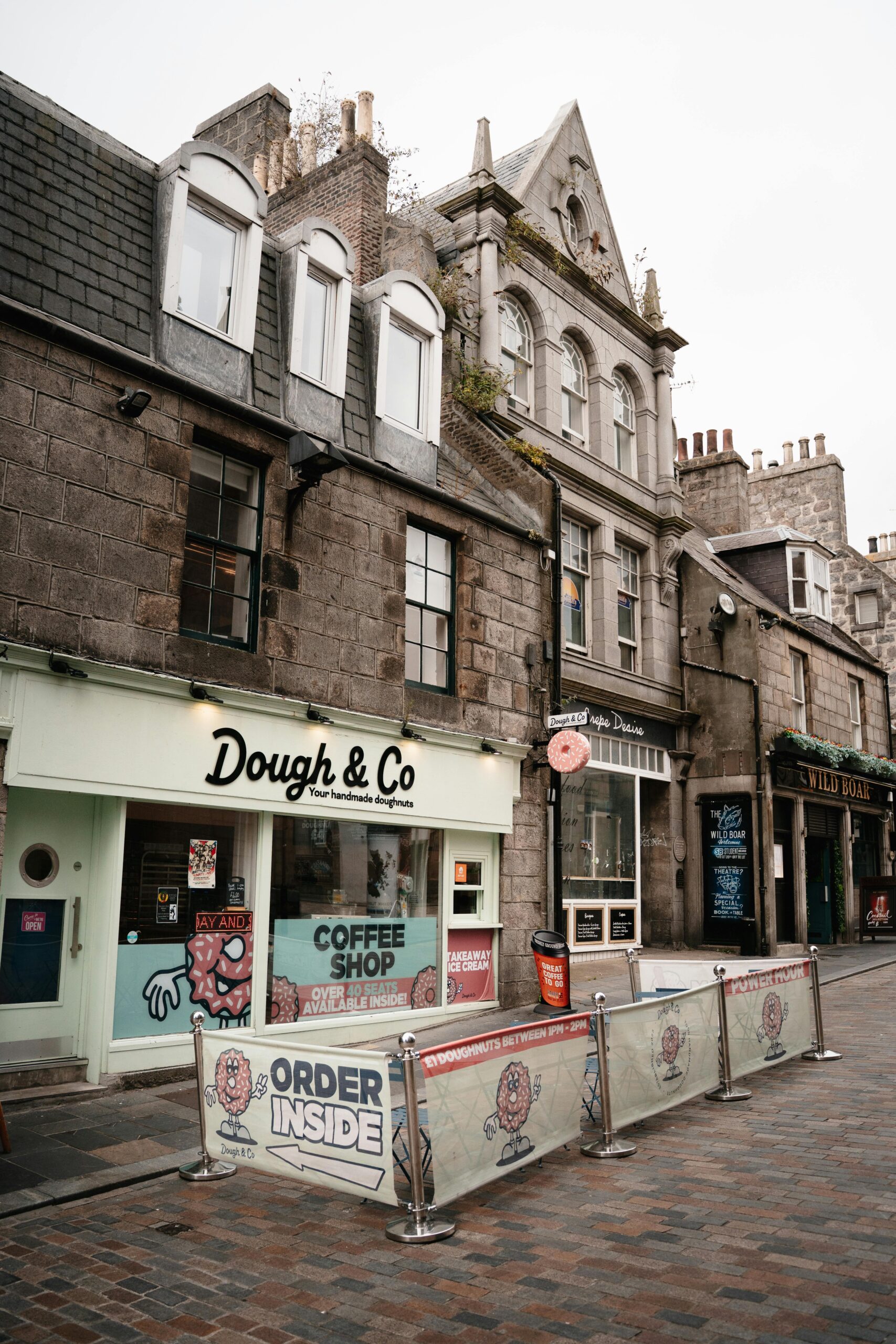
Aberdeen Scots: Discover Fascinating Traditions and Rich Heritage dives deep into the enchanting world of Aberdeen’s cultural tapestry. This article explores the unique customs, dialects, and historical influences that shape the Aberdeen Scots identity. Have you ever wondered about the captivating stories behind the traditions of this vibrant Scottish city? From the melodic tones of the Scots language to the rich folklore that has been passed down through generations, Aberdeen is a treasure trove of heritage waiting to be uncovered.
In this exploration, we will shine a light on the age-old traditions that continue to thrive amidst modernity. The Aberdeen Scots, known for their resilience and distinctiveness, embody a spirit that is both intriguing and inspiring. What makes their customs stand out? It’s the blend of Celtic influences, local dialects, and historical events that have forged a unique identity over the centuries. From traditional music and dance to culinary delights that tantalise the taste buds, each aspect contributes to the rich narrative of Aberdeen’s Scots culture.
Moreover, we will discuss how the Aberdeen Scots celebrate their heritage today, ensuring that these fascinating traditions are not just relics of the past but living practices that resonate with the community. Join us as we delve into the heart of Aberdeen’s cultural significance and uncover the stories that make the Aberdeen Scots a vital part of Scotland’s historical landscape. Are you ready to embark on this journey through time and tradition? Let’s explore the fascinating world of Aberdeen’s Scots together!
Unveiling the Unique Aberdeen Scots Dialect: How Language Shapes Identity
The Aberdeen Scots dialect is a fascinating linguistic tapestry that reflects the rich history and culture of Scotland’s northeast. This unique dialect, often overshadowed by the more broadly recognized Scots and Gaelic languages, serves as a potent symbol of local identity for the people of Aberdeen and its surrounding areas. Understanding the nuances of Aberdeen Scots not only gives insight into the language itself but also highlights how language shapes identity and tradition in this vibrant community.
What is Aberdeen Scots?
Aberdeen Scots, sometimes called Doric, is a dialect of Scots, which is a Germanic language closely related to English. It’s particularly prevalent in the northeast of Scotland, especially in Aberdeenshire. The dialect features distinct vocabulary, pronunciation, and grammatical structures that sets it apart from both Standard English and other Scots dialects.
Here are some key characteristics of Aberdeen Scots:
- Unique Vocabulary: Words like “bairn” (child), “wee” (small), and “ken” (know) are commonly used.
- Pronunciation: The dialect has a lilting rhythm, with certain vowel sounds pronounced differently than in English.
- Grammatical Quirks: Aberdeen Scots may omit certain auxiliary verbs which can confuse outsiders.
A Brief History of Scottish Dialects
The roots of Aberdeen Scots stretch back centuries, shaped by waves of migration and the influence of various cultures. It emerged during the Middle Ages, when Scots began to diverge from Old English, and has been influenced by Norse, Gaelic, and even French due to historical interactions.
- Norse Influence: The Viking presence in Scotland left a lasting impact, introducing new words and sounds.
- Gaelic Contributions: Proximity to Gaelic-speaking regions also enriched the Scots vocabulary, especially in terms of natural landscapes.
- Industrial Revolution: Aberdeen’s growth during this period saw an influx of people, further complicating the dialect with new phrases and expressions.
Discovering Fascinating Traditions
Aberdeen Scots is not just a means of communication but a vessel for tradition and heritage. Many local customs and festivities are interwoven with the dialect, showcasing the region’s character.
Some traditions include:
- The Stonehaven Fireballs Festival: A unique New Year’s celebration where locals swing flaming balls of tar on chains to ward off evil spirits.
- The Aberdeen Maritime Museum: It offers insights into the city’s seafaring past, with exhibits that often feature local dialect expressions.
- Folk Music: Traditional music often incorporates Aberdeen Scots, preserving stories and folklore through song.
How Language Shapes Identity
Language is a powerful tool for shaping identity. For many in Aberdeen, speaking Scots isn’t just about communication; it’s about connection to their heritage and community. This dialect acts as a badge of pride, reflecting shared experiences and history.
Research shows that speaking a local dialect can:
- Foster community ties and belonging.
- Provide a sense of identity that transcends mere geography.
- Strengthen emotional bonds through shared language and tradition.
The Future of Aberdeen Scots
As with many regional dialects, Aberdeen Scots faces challenges in the modern world. Globalisation and the dominance of Standard English in media and education has led to concerns that the dialect could fade away. However, there are initiatives aimed at preserving and promoting Aberdeen Scots.
Some efforts include:
- Educational Programs: Schools are beginning to incorporate Scots language into their curriculums.
- Social Media: Younger generations are using platforms like TikTok to share their dialect and culture with a wider audience.
- Local Literature: Writers and poets are increasingly publishing works in Aberdeen Scots, ensuring its continued relevance.
Examples of Aberdeen Scots in Everyday Life
To give a clearer picture of how Aberdeen Scots sounds and is used, here are some common phrases alongside their English translations:
- “Ah’m no feelin’ weel the day.” (I’m not feeling well today.)
- “This is a braw day!” (This is a lovely day!)
- “Dae ye ken wha’s comin’?” (Do you know who’s coming?)
These examples illustrate not just the language itself, but also the warmth and friendliness that characterizes the community.
Aberdeen Scots is more than just a dialect; it’s a living testament to the city’s traditions and identity. By embracing this rich linguistic heritage, the people of Aberdeen continue to celebrate their unique culture and ensure that their stories endure through generations.
10 Intriguing Traditions of the Aberdeen Scots You Didn’t Know Existed
Scotland is known for its stunning landscapes, rich history, and vibrant culture, but the Aberdeen Scots has some particularly intriguing traditions that are often overlooked. Nestled in the northeast of Scotland, Aberdeen boasts a unique blend of customs, celebrations, and local lore that reflects its historical significance and community spirit. Here’s a glimpse into 10 fascinating traditions of the Aberdeen Scots that you probably didn’t know existed.
1. The Stonehaven Fireball Festival
One of the most spectacular traditions is the Stonehaven Fireball Festival, which takes place every New Year’s Eve. Participants swing large fireballs made of wire and rags soaked in kerosene around their heads as they parade through the streets. This tradition dates back to the 19th century and is believed to ward off evil spirits while welcoming the new year with warmth and light.
2. The Braemar Gathering
The Braemar Gathering, held annually in September, is a highlight for many Aberdonians. It is one of the most famous events in Scotland, featuring traditional Highland games, where athletes compete in events like caber tossing and tug-of-war. The event is graced by the presence of the British royal family, making it a significant social occasion.
3. The Scone of Destiny
Aberdeen has its own version of the famous Scottish scone, known as the Scone of Destiny. This isn’t just any scone; its said to have been made from a secret recipe passed down through generations. Locals believe that tasting this scone can bestow good luck and fortune upon them.
4. The Kirking of the Council
Each year, the Kirking of the Council is held in Aberdeen, marking the beginning of the civic year. The event features a church service where local officials and council members are blessed. This tradition connects the community and local governance with faith and spirituality, reminding everyone of their responsibilities to one another.
5. The Aberdeen Maritime Festival
The Aberdeen Maritime Festival celebrates the city’s rich seafaring history. This festival includes boat races, maritime exhibitions, and live music. It highlights the importance of the North Sea and the fishing industry to Aberdeen’s economy and culture while allowing locals to enjoy the vibrant waterfront.
6. The Thistle and the Rose
In Aberdeen, the Thistle and the Rose is a symbol of unity between the Scots and the English. This tradition is celebrated in various forms, particularly during cultural events and festivals. The thistle represents Scotland, while the rose signifies England, and together they remind folks of the historical ties and shared heritage between the two nations.
7. The Haggis Hunt
Every year, locals participate in a quirky tradition known as the Haggis Hunt. This involves a scavenger hunt where teams search for hidden haggis (a type of Scottish dish) in various locations around the city. It’s a playful way to celebrate Scottish cuisine while fostering community spirit and teamwork.
8. The Aberdeen Art Fair
Art lovers in Aberdeen look forward to the annual Aberdeen Art Fair, showcasing local artists and their works. This event not only promotes art but also brings the community together, encouraging dialogue and appreciation for creative talents. It’s a platform for artists to share their unique perspectives and connect with their audience.
9. The North East Scotland Music Festival
This festival celebrates the region’s musical talents across genres. From folk to classical, the North East Scotland Music Festival highlights local musicians and brings together people of all ages to appreciate the rich musical heritage of the Aberdeen Scots. It’s a great opportunity for young musicians to showcase their skills in a supportive environment.
10. The Aberdeen Highland Games
Not to be confused with the Braemar Gathering, the Aberdeen Highland Games takes place annually and features traditional sports, music, and dance. Local clans come together to compete in various events, celebrating their heritage and fostering a sense of camaraderie among the community.
In summary, Aberdeen is home to a rich tapestry of traditions that reflect its cultural heritage and community spirit. From the fiery celebrations of the Stonehaven Fireball Festival to the spirited competitions at the Highland Games, these customs are a testament to the vibrant life of the Aberdeen Scots. Exploring these traditions offers a glimpse into the heart of a city that proudly preserves its history while embracing the future. So next time you think about Scotland, remember that Aberdeen has its own unique stories and customs waiting to be discovered.
The Rich Tapestry of Aberdeen’s Cultural Heritage: Festivals and Celebrations Explored
Aberdeen, a city nestled in the northeast of Scotland, displays a rich tapestry of cultural heritage that is woven through its festivals and celebrations. With a unique blend of traditions and modern influences, the events that take place here reflect the spirit of the local community and its history. The Aberdeen Scots, known for their distinct dialect and customs, play a vital role in preserving and promoting this vibrant cultural landscape.
The Importance of Festivals in Aberdeen
Festivals in Aberdeen serves as a window into its history and community life. These events not only entertain but also educate. They showcases the city’s traditions, art, and cuisine, attracting both locals and tourists alike. Over the years, the city has become a hub for various cultural festivities, each celebrating different aspects of Scottish life. Some key festivals includes:
- Aberdeen International Youth Festival: This event highlights the talents of young performers from around the globe, showcasing music, dance, and the performing arts.
- Aberdeen Maritime Festival: Celebrating the city’s rich maritime heritage, this festival features boat trips, seafood stalls, and maritime displays.
- The Granite City Comic Con: A recent addition to the festival calendar, it draws fans of comic books and pop culture, featuring guests, panels, and merchandise stalls.
Traditional Celebrations and Their Meanings
Aberdeen Scots celebrates a variety of traditional events that reflects the region’s rich history. These events often have deep-rooted significance, connecting the community to their ancestors and heritage. Some notable celebrations includes:
- Hogmanay: This New Year celebration is marked by fireworks, street parties, and the singing of “Auld Lang Syne.” It represents a time of reflection and renewal.
- Burns Night: Held on January 25th, this night commemorates the poet Robert Burns. Communities gather for readings, toasts, and feasts featuring haggis, neeps, and tatties.
- Stonehaven Fireballs Festival: An unusual spectacle held on New Year’s Eve, participants swing fireballs over their heads and parade through the streets, marking the start of the new year in a fiery display.
The Role of Aberdeen Scots Language and Culture
Aberdeen Scots, a variant of the Scots language, is an integral part of the cultural heritage of the city. It’s characterised by its unique vocabulary and expressions, giving a sense of identity to the locals. Here are a few fascinating aspects of the language and culture:
- Local Dialects: Aberdeen Scots has distinct features that sets it apart from other Scots dialects, including specific phrases and pronunciations.
- Cultural Identity: The use of the Scots language fosters a sense of belonging among the locals, connecting them to their roots and traditions.
- Literature and Folklore: Many local authors and poets wrote in Scots, preserving stories and folklore that enrich the cultural landscape.
Festivals Highlighting Aberdeen’s Culinary Heritage
Food plays a significant role in Aberdeen’s celebrations, showcasing the region’s rich agricultural produce and seafood. Festivals often include culinary competitions, tastings, and demonstrations. Some key food-related events are:
- Taste of Grampian: An annual food festival celebrating local produce, this event features local chefs and food producers, showcasing the best of Aberdeenshire’s culinary offerings.
- Seafood Festival: Held in the summer, this festival highlights Aberdeen’s coastal heritage with fresh seafood dishes, cooking demonstrations, and tastings.
- Farmers’ Markets: Regularly held in various locations, these markets promote local produce and artisan foods, encouraging community support for local farmers.
The Evolution of Cultural Events
Over the years, Aberdeen has seen its festivals evolve, adapting to modern influences while retaining their core essence. Newer celebrations merge traditional elements with contemporary themes, attracting wider audiences.
- Emergence of Music Festivals: The rise of music festivals like the “Aberdeen Music Festival” has seen an influx of local and international talent, promoting diverse genres and styles.
- Integration of Technology: Many festivals have embraced digital platforms, offering virtual attendance options to reach a global audience, especially during the pandemic.
- Collaboration with the Arts: Festivals increasingly collaborate with local artists, creating a platform for them to showcase their work, further enriching the cultural scene.
From its lively festivals to its rich traditions, Aberdeen offers a glimpse into the heart of Scottish culture. The Aberdeen Scots continue to preserve and celebrate their unique heritage, ensuring that the vibrant tapestry of cultural traditions remains alive for future generations. As the city continues to grow and evolve, it will undoubtedly keep its commitment to honouring its past while embracing the future.
How the Aberdeen Scots Have Preserved Their Heritage Through Generations
Aberdeen, a city steeped in history and rich culture, is home to the Aberdeen Scots, a group that has managed to preserve their unique heritage through generations. This preservation of culture and tradition is not just a matter of pride but also a way of maintaining a connection to the past. The Aberdeen Scots have held onto their customs, dialects, and practices that make their identity distinctive. Let’s delve into how they have achieved this remarkable feat, exploring fascinating traditions and the rich heritage that continues to thrive today.
The Historical Context of Aberdeen Scots
Aberdeen’s history goes back centuries, with the Scots settling in the area and establishing their way of life. The roots of Aberdeen Scots can be traced back to the early medieval period when the region was influenced by Norse culture and later by the Scots. Over the years, various historical events shaped the Aberdeen Scots identity, including:
- The Wars of Scottish Independence
- The Reformation
- The Industrial Revolution
Each of these events contributed to the cultural tapestry of Aberdeen, resulting in a unique blend of traditions that have been handed down through the years.
Language and Dialect
One of the most significant ways the Aberdeen Scots have preserved their heritage is through their language. The Scots language, particularly the Doric dialect spoken in Aberdeen, has survived despite the dominance of standard English. It is filled with expressions and vocabulary that are unique to the region. Some popular Doric words and phrases include:
- “Braw” meaning splendid or fine
- “Greetin” meaning crying
- “Doon the watter” referring to going down the river
The dialect is not just a means of communication; it is a reflection of the community’s identity. Local schools and cultural initiatives often encourage the use of Doric, ensuring that the younger generations learn and appreciate their linguistic heritage.
Traditional Festivals and Celebrations
The Aberdeen Scots celebrate their heritage through various festivals that showcase their traditions, music, and cuisine. These events attract locals and tourists alike, creating a vibrant atmosphere that fosters community spirit. Some notable festivals include:
- The Aberdeen International Youth Festival: Showcases the talents of young performers in music, dance, and drama, often featuring traditional Scottish elements.
- The Stonehaven Fireballs Festival: A unique New Year celebration where locals swing fireballs and parade through the streets, a tradition that dates back hundreds of years.
- The Highland Games: Held annually, these games feature traditional Scottish sports such as caber tossing and tug of war, drawing participants from all over the region.
These festivals play a vital role in keeping the traditions alive, allowing the community to come together and celebrate their heritage.
Culinary Traditions
Food is a significant part of any culture, and for the Aberdeen Scots, traditional dishes hold a special place in their hearts. Some of the beloved local delicacies include:
- Haggis: A savoury pudding made from sheep’s heart, liver, and lungs, mixed with oats and spices.
- Cullen Skink: A traditional soup made with smoked haddock, potatoes, and onions.
- Aberdeen Angus Beef: Renowned for its quality and flavour, this breed of cattle originated in the region.
Local eateries often pride themselves on serving traditional recipes, and many families pass down their cooking methods through generations, ensuring that these flavours remain part of their heritage.
Artisan Crafts and Skills
The Aberdeen Scots have also preserved their heritage through traditional crafts and skills. Many artisans continue to practice age-old techniques, creating handmade goods that reflect their culture. Notable crafts include:
- Tartan Weaving: The creation of tartan patterns, which are a hallmark of Scottish identity, is still practiced by skilled weavers.
- Stone Carving: Reflecting the rich granite heritage of the area, many artisans carve intricate designs that tell stories of the past.
- Pottery and Ceramics: Traditional pottery often features Celtic designs and motifs, connecting modern artisans with their ancestors.
These crafts not only serve as a means of artistic expression but also act as a bridge linking the past to the present.
Community Involvement and Education
The commitment of the Aberdeen Scots to preserving their heritage is evident in their community involvement. Local organisations and cultural groups actively promote educational initiatives that highlight the significance of their traditions. Schools often organise workshops and events that allow students to learn about their heritage through:
- Storytelling sessions
- Traditional music and dance classes
- History projects focusing on local traditions
By involving the younger generation, the Aberdeen Scots ensure that the future will continue to celebrate and honour their rich cultural heritage.
The perseverance of the Aberdeen Scots in maintaining their unique identity is a testament to their pride and dedication. Through language, festivals, culinary traditions, artisan crafts, and community efforts, they have created a living heritage that not only enriches their lives but also invites others to experience the fascinating traditions of Aberdeen. As time
Discover the Secrets Behind Aberdeen’s Historic Landmarks: A Journey Through Time
Aberdeen, a city steeped in history and culture, offers a wealth of historic landmarks that tell the stories of its past. As you wander through its cobbled streets, you can’t help but feel a connection to the generations that walked before you. From medieval architecture to modern developments, this city has a diverse range of attractions that reflect its rich heritage. If you’re curious about Aberdeen Scots and want to discover fascinating traditions, you’re in for a treat as we explore some of the most iconic landmarks and their significance.
The Marischal College: A Testament to Education
Marischal College, one of the largest granite buildings in the world, stands as a symbol of Aberdeen’s commitment to education and knowledge. Founded in the 16th century, it has been an educational institution for centuries. Originally a college for training clergy, it evolved into part of the University of Aberdeen.
- Key Features:
- Built in the distinctive grey granite, the building reflects the local landscape.
- Features a stunning courtyard and intricate architectural designs.
- Houses various university departments and the Aberdeen City Archives.
The college’s rich history shows how education shaped the city, and it remains a focal point for students and visitors alike.
The Old Town and Its Narrow Streets
Strolling through Old Town is like stepping back in time. The narrow streets, known as “closes,” features charming shops, cafes, and historical buildings. Here, you can appreciate the medieval layout of Aberdeen which has survived centuries of change.
- Highlights of Old Town:
- The Provost Skene’s House, a 16th-century merchant’s house, gives insight into the life of the wealthy during that era.
- St. Nicholas Kirk, an ancient church, reflects Aberdeen’s spiritual history, with parts of it dating back to the 12th century.
The Old Town is a treasure trove of history, and every corner has a story to tell.
The Granite City: More Than Just a Nickname
Aberdeen is often called the Granite City, not just because of its stunning buildings, but also due to the local use of granite in construction. This material has shaped the character of the city for generations.
- Why Granite?
- It’s durable and can withstand the harsh Scottish weather.
- The stone’s natural beauty adds to the aesthetics of the city.
In fact, many of the city’s landmark buildings, such as the Town House, were constructed using granite, which gives them a distinctive appearance.
Discovering Aberdeen Scots: Traditions and Heritage
Aberdeen Scots, a dialect of the Scots language, is an important part of the city’s identity. The dialect is rich with unique phrases and expressions that reflect the local culture.
- Notable Traditions:
- The annual Aberdeen Highland Games showcase traditional Scottish sports, music, and dance.
- Local festivals celebrate the city’s history and contributions to Scottish culture, where you can experience everything from piping to dancing.
Understanding Aberdeen Scots is essential for anyone wishing to truly appreciate the local culture. It’s a living language that evolves, yet still holds onto its historical roots.
The Maritime Museum: A Window to the Past
Aberdeen’s relationship with the sea is deeply ingrained in its history. The Maritime Museum, located in the heart of the city, explores this connection. It features exhibits on shipbuilding, fishing, and the oil industry, which have all played significant roles in shaping the economy.
- Exhibits to Explore:
- Scale models of famous ships built in Aberdeen.
- Displays about the North Sea oil industry and its impact on the region.
Visiting this museum gives you a deeper understanding of how maritime activities influenced the growth and development of Aberdeen.
A Walk Through the Botanic Garden
The Aberdeen Botanic Garden is another gem that shouldn’t be overlooked. Established in the late 19th century, it offers a peaceful retreat and showcases a variety of plant species from around the world.
- Features of the Botanic Garden:
- The Glasshouses, which are home to exotic plants and tropical species.
- The Rock Garden, featuring local flora and stunning views of the city.
This garden is not only a place for relaxation but also serves as an educational resource for those interested in botany and conservation.
Aberdeen’s historic landmarks and rich traditions provide a unique glimpse into the city’s past. By exploring these sites, you not only learn about the architecture and culture but also come to appreciate the spirit of the Aberdeen Scots. Each landmark, with its own story, contributes to the tapestry that is this vibrant city. So, if you ever find yourself wandering through the historic streets of Aberdeen, take a moment to discover the secrets that lie within its walls.
Conclusion
In conclusion, the Aberdeen Scots represent a rich tapestry of cultural heritage, language, and tradition that is unique to the northeast of Scotland. Throughout this article, we explored the distinctive features of the dialect, its historical roots, and the ways in which it reflects the identity of the local community. We also highlighted the ongoing efforts to preserve this valuable linguistic legacy amidst the influence of modern communication. By embracing and promoting the Aberdeen Scots dialect, we not only celebrate our local history but also foster a sense of belonging and pride among future generations. It is essential for both residents and visitors to engage with this vibrant culture, whether by learning a few phrases, attending local events, or supporting initiatives aimed at keeping the dialect alive. Let us all take a moment to appreciate the richness of Aberdeen Scots and contribute to its preservation for years to come.